For the past four years, Craig Foster has been part of our extended community and one of our ambassadors. Craig is an Oscar and BAFTA winning filmmaker, naturalist, ocean explorer and cofounder of the Sea Change Project, the organisation behind My Octopus Teacher. But what has stayed with us most is not what Craig has achieved. It is what he has taught us to notice.
Some intelligence can only be found by returning to the wild.
Beneath the kelp forests and along the coastline outside Cape Town, Craig Foster and the Sea Change Project have taught our community to look at the living world, and at ourselves, in a different way.
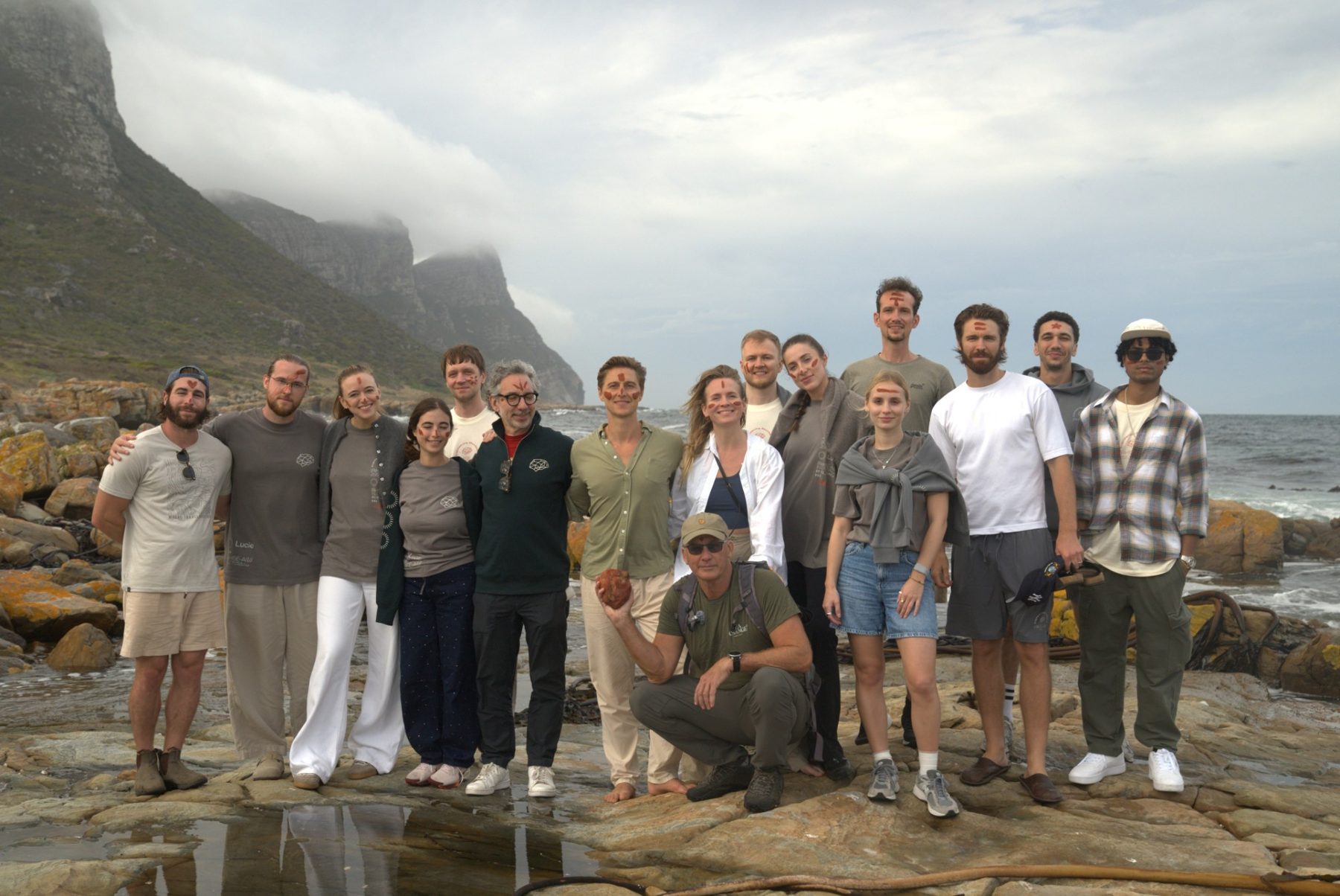
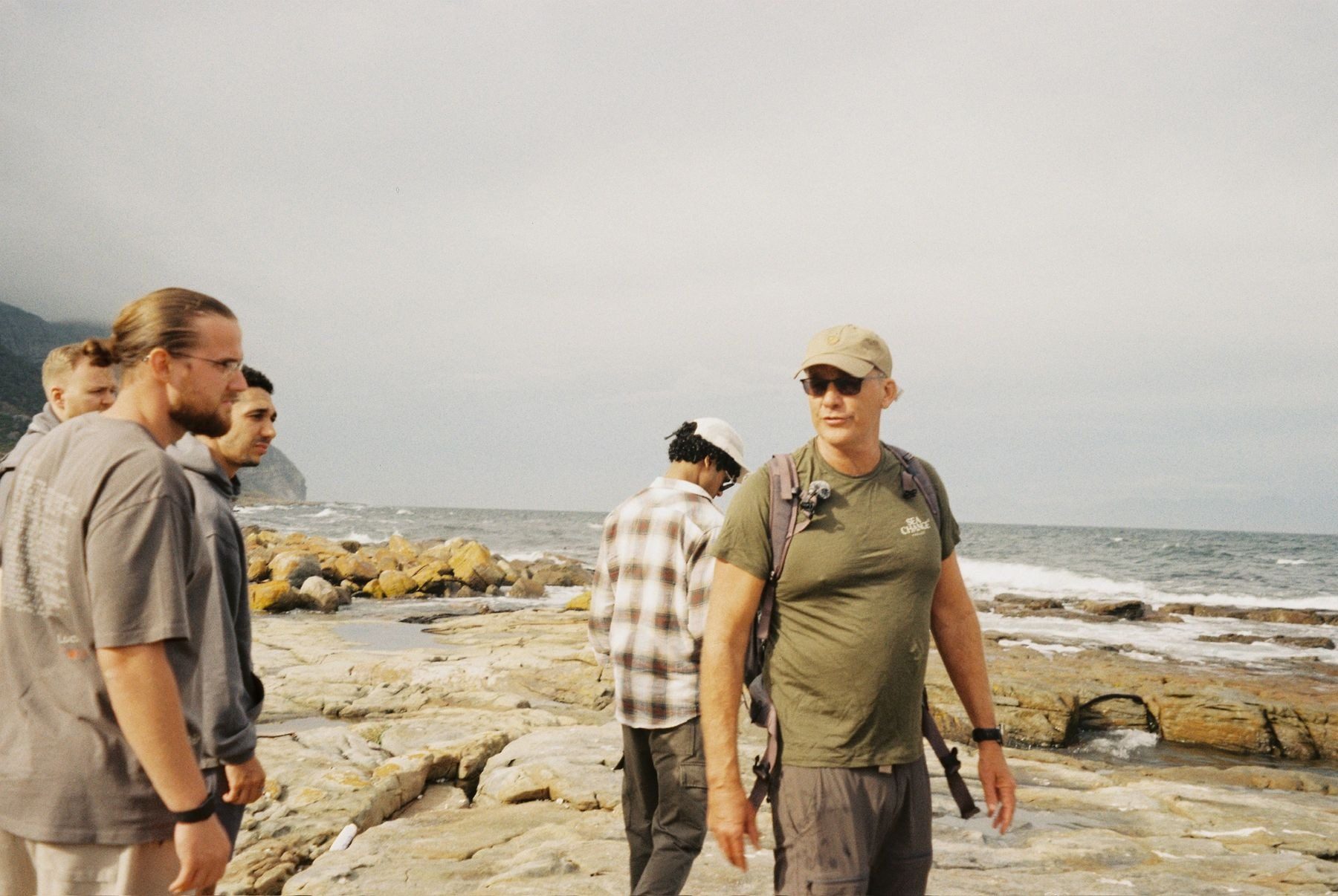
Our team with Craig Foster on the Cape coast, February 2026.
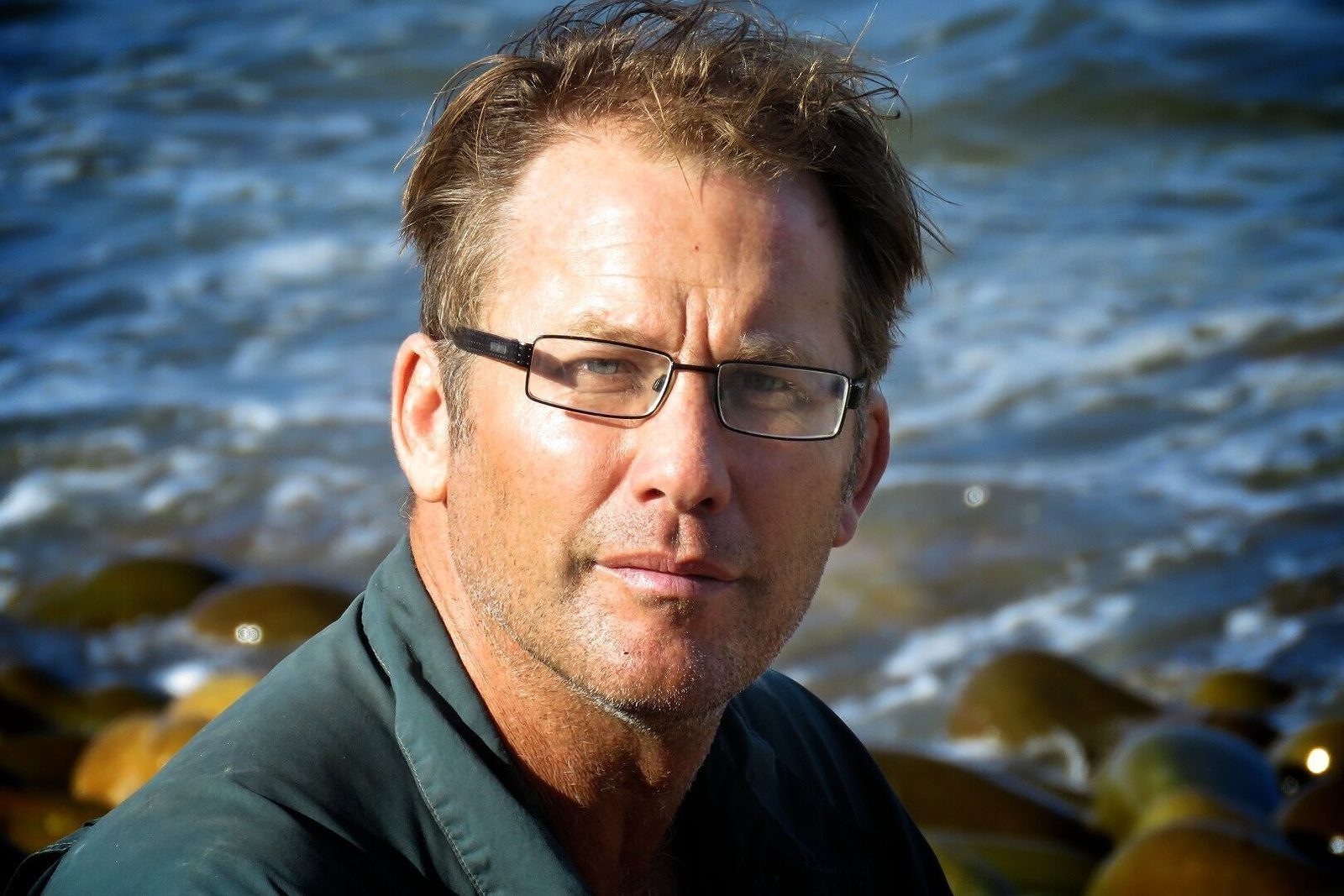
Craig Foster at the edge of the Great African Seaforest.
Beneath the surface
Our first journeys together took us beneath the surface of the Great African Seaforest outside Cape Town, the underwater wilderness made known around the world through My Octopus Teacher. We freedived, explored the kelp forest and learned to look at an environment that can initially seem unfamiliar as a living system filled with relationships, signals and forms of intelligence.
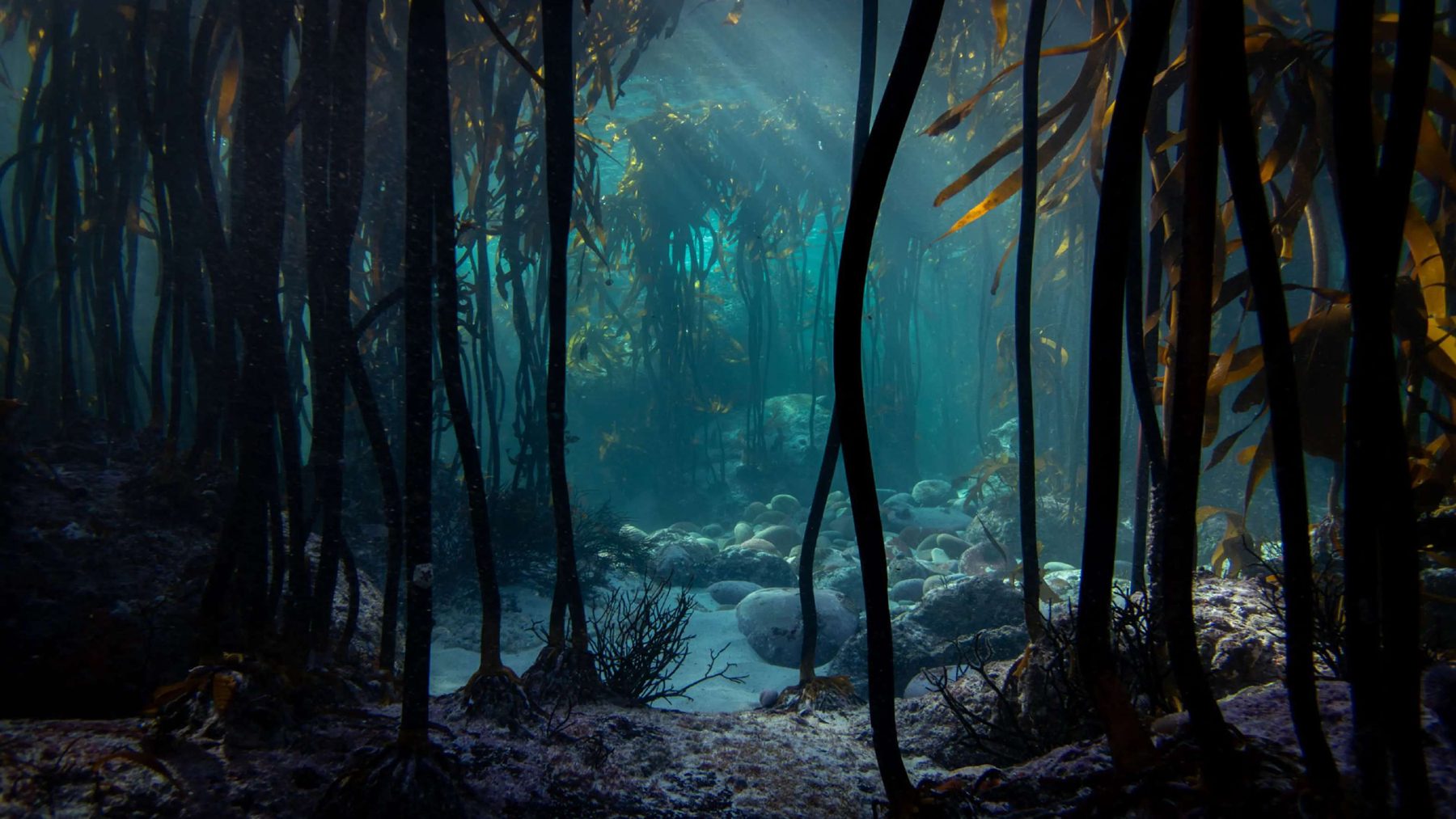
The Great African Seaforest, the world’s only sea bamboo forest. Photograph: Sea Change Project.
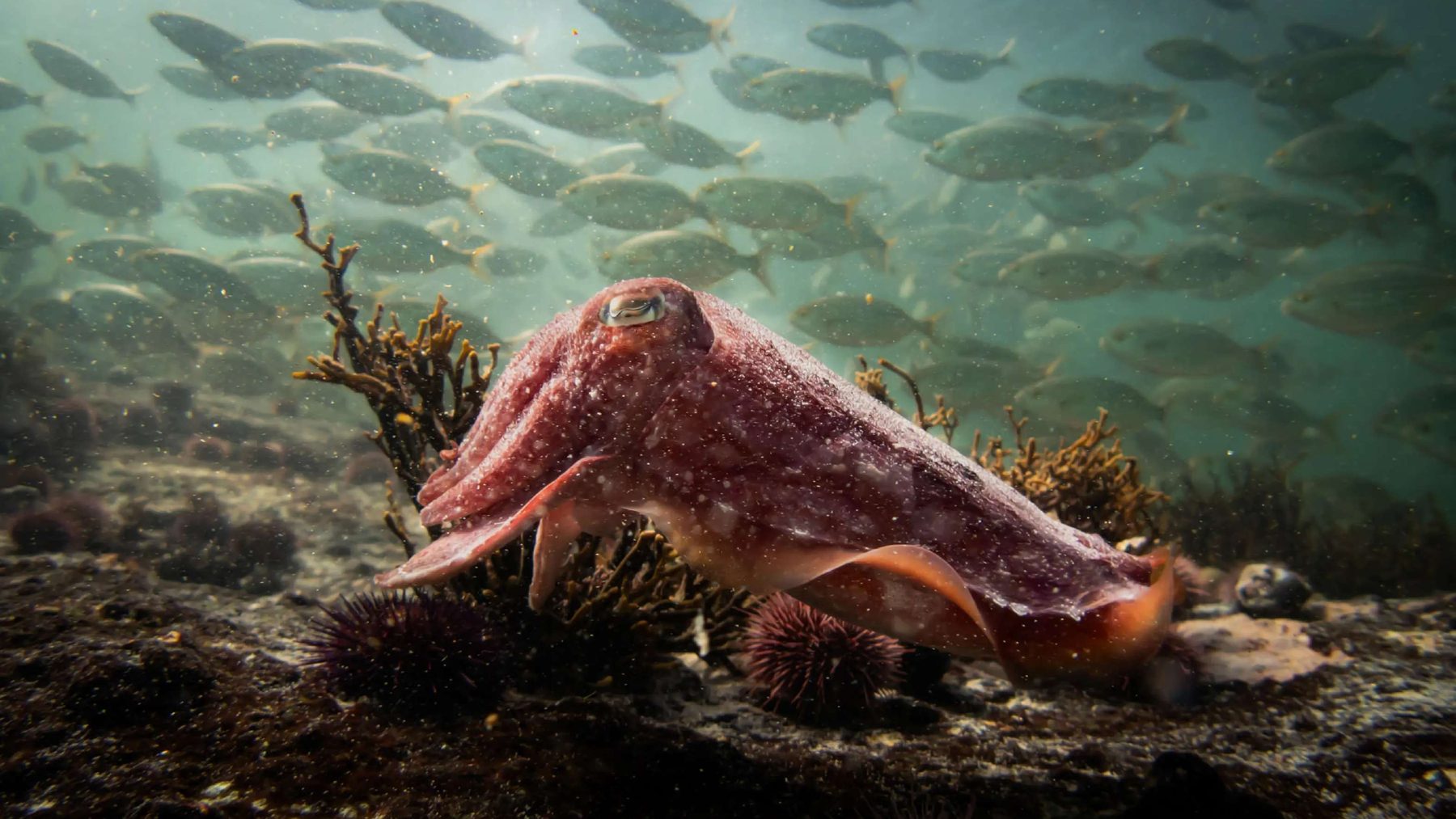
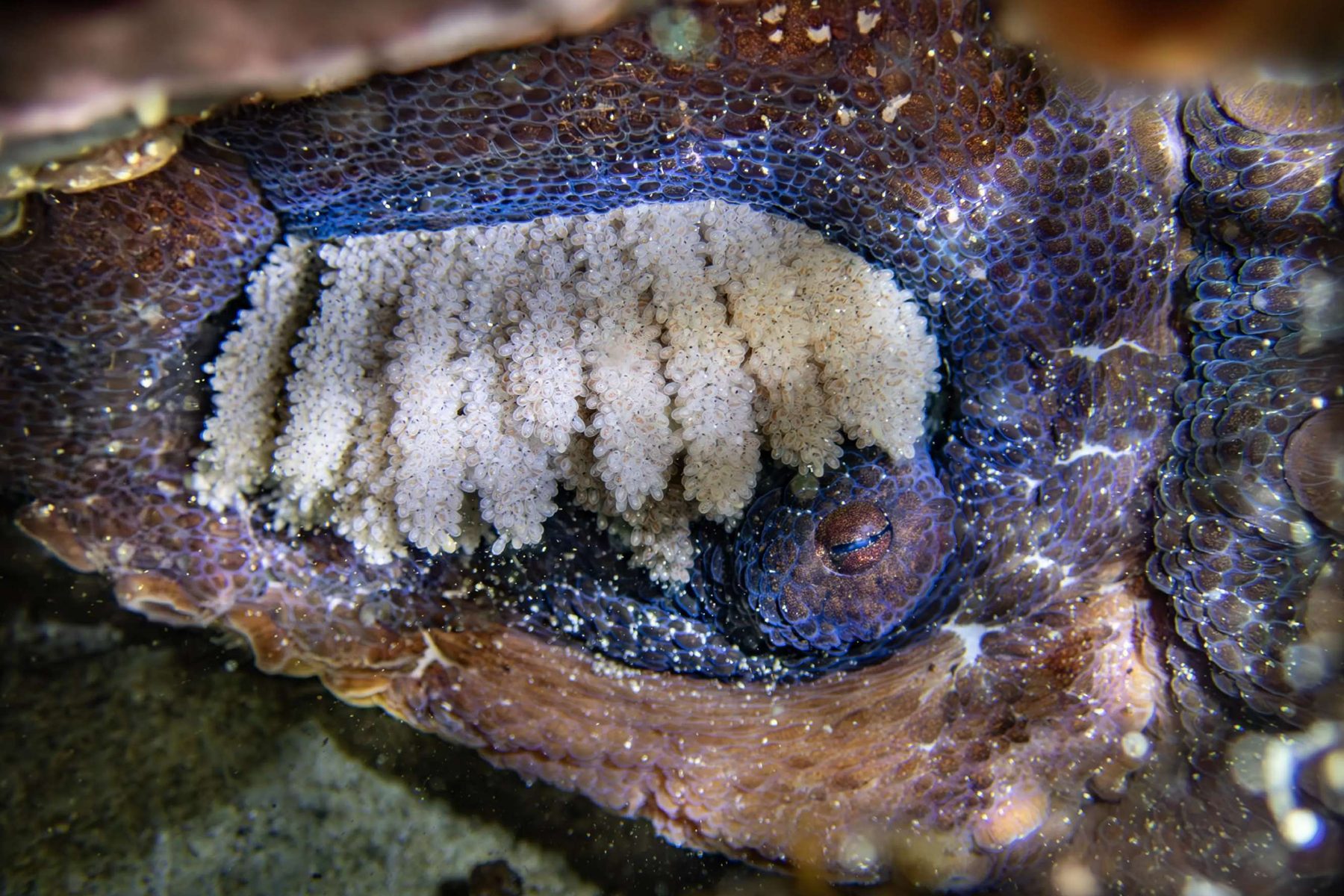
A Simonstown cuttlefish, found only on South Africa’s south coast, and a female octopus tending her eggs. Photographs: Craig Foster, Sea Change Project.
1,000+Kilometres of sea forest, from Namibia to the tip of South Africa
100,000+Years of humans living alongside it
A thirdOf the world’s coastlines fringed by kelp
HalfOf kelp forests worldwide degraded in 50 years
Figures from TIME, “The Power Hiding in Underwater Forests”, May 2026.
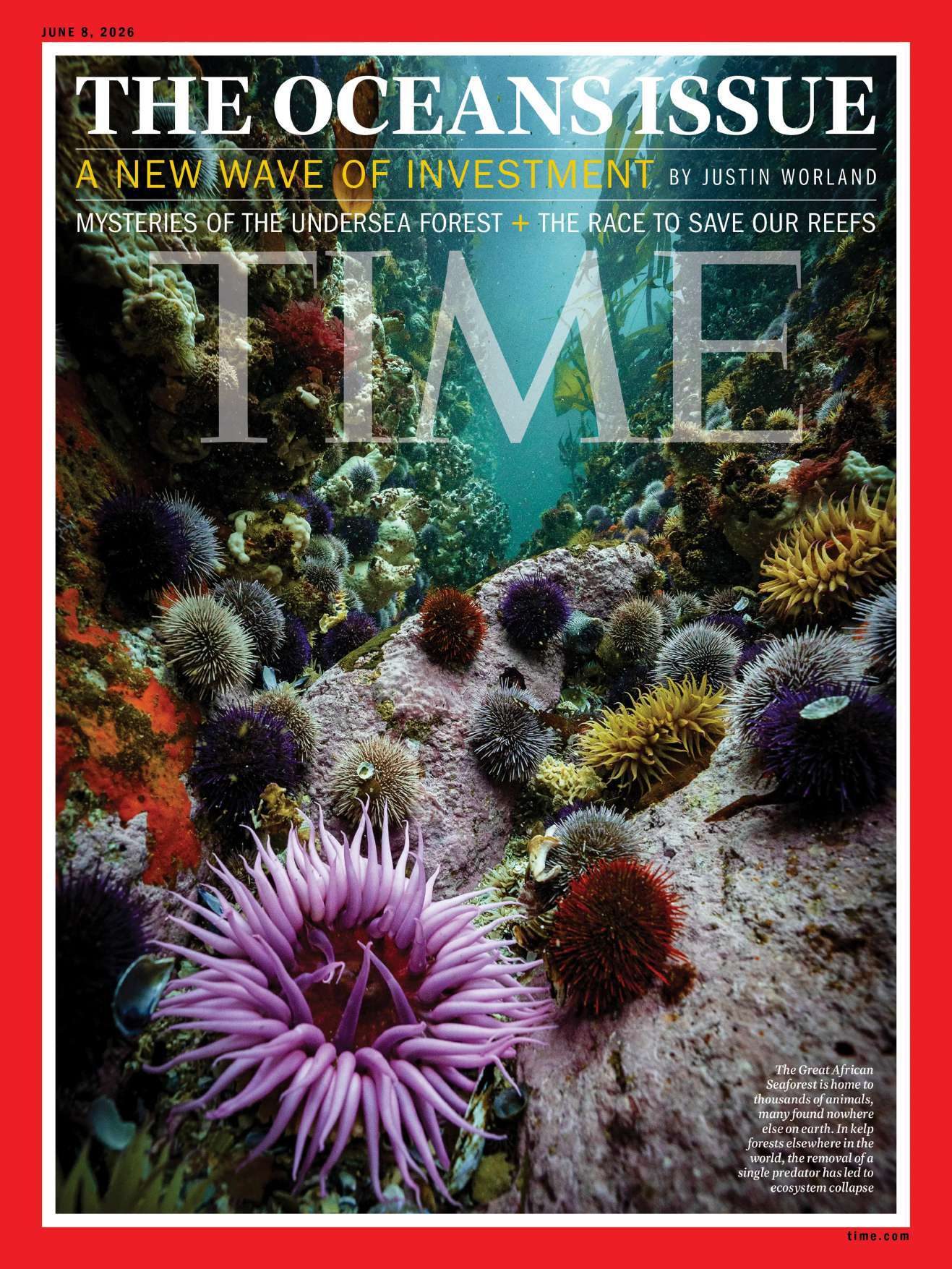
In TIME · The Oceans Issue
The sea forest Craig has spent his life protecting made the cover of TIME.
In June 2026, TIME’s Oceans issue put the Great African Seaforest on its cover, with a feature on the work of the Sea Change Project: a living network of species found nowhere else on Earth, and a kelp ecosystem scientists say we are only beginning to understand.
When you’re face-to-face with what’s happening, it’s absolutely terrifying.Craig Foster, cofounder of the Sea Change Project, in TIME
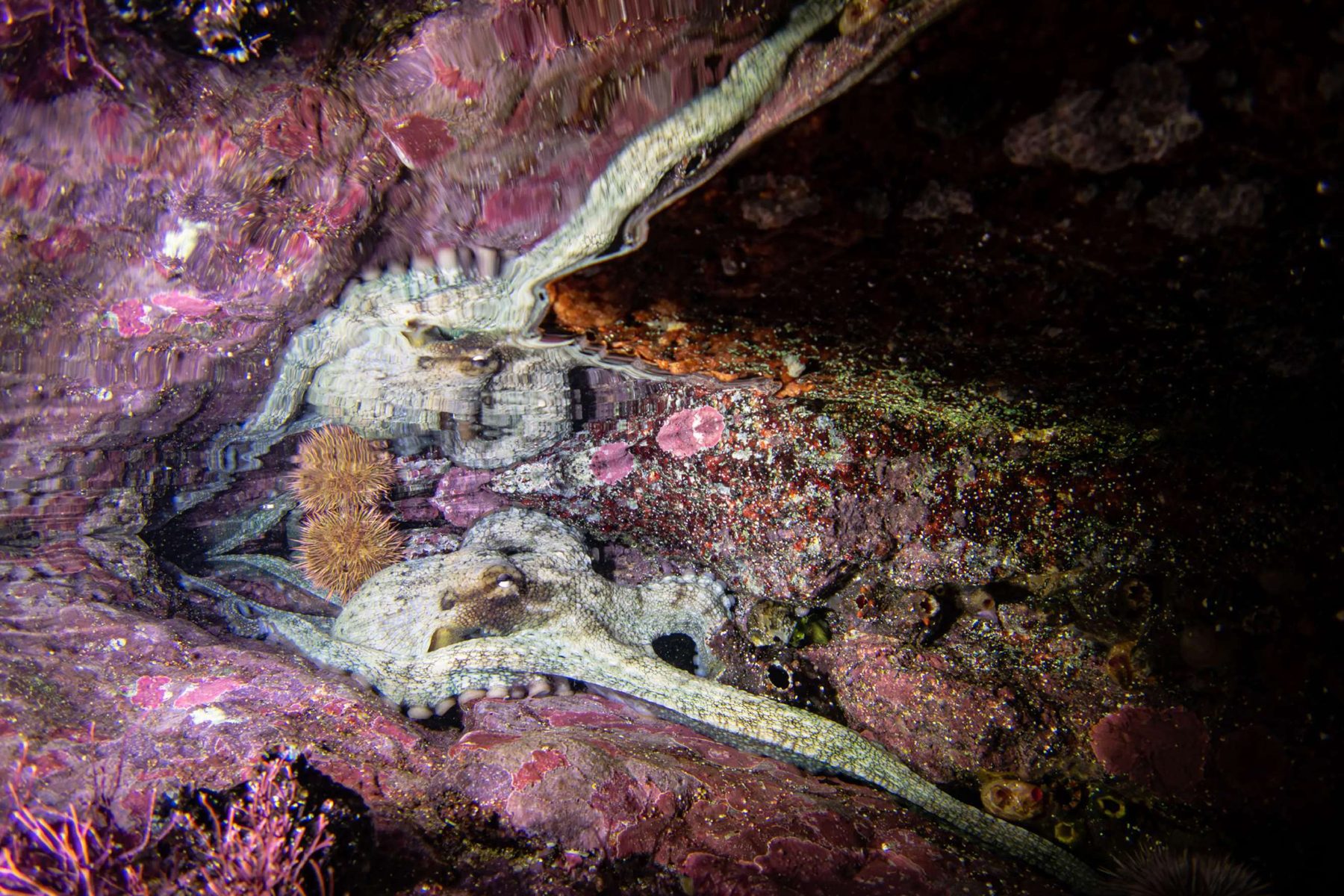
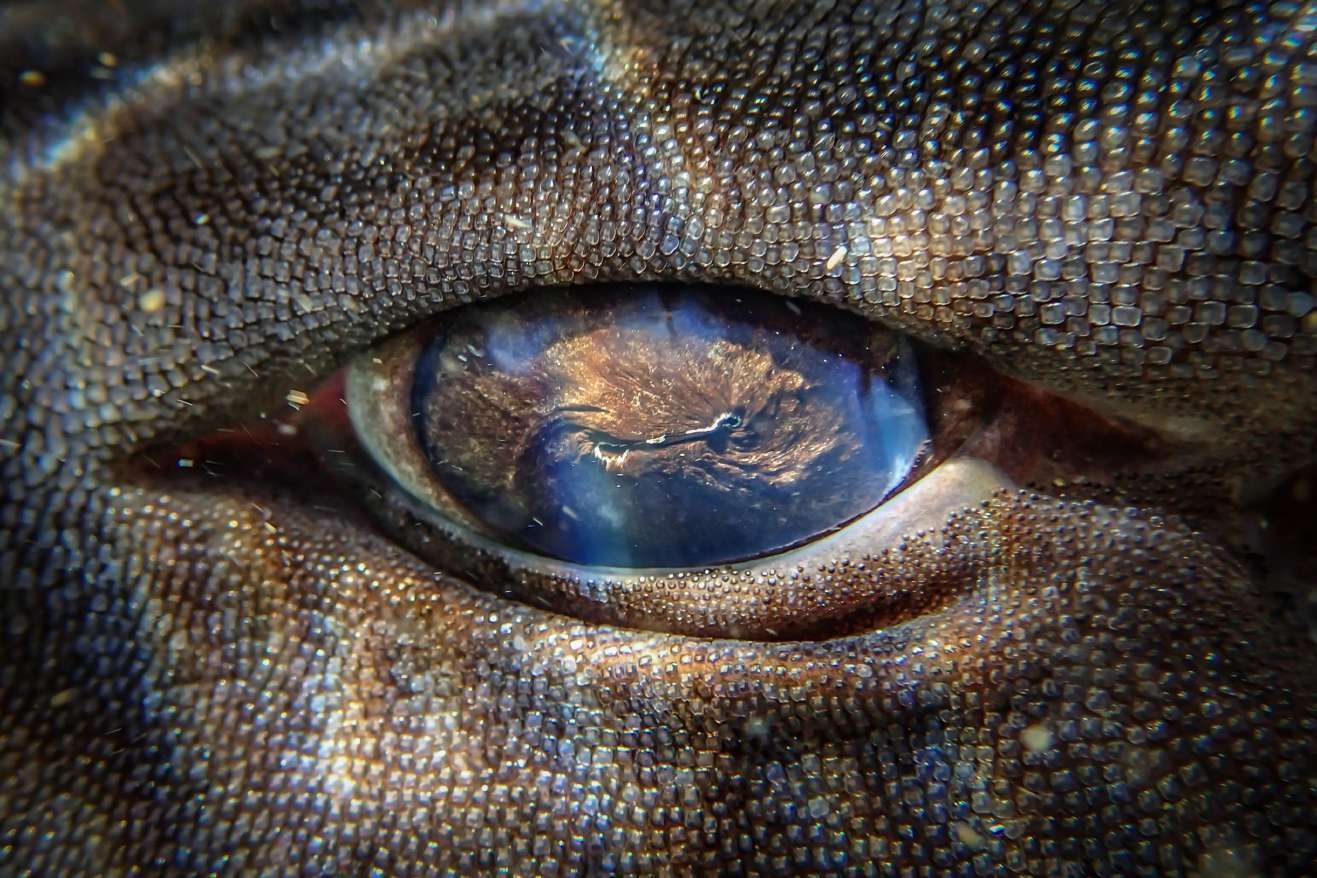
An octopus exploring a shallow cave, and the mirrored eye of a small shark. Photographs: Craig Foster, Sea Change Project.
Back onto the land
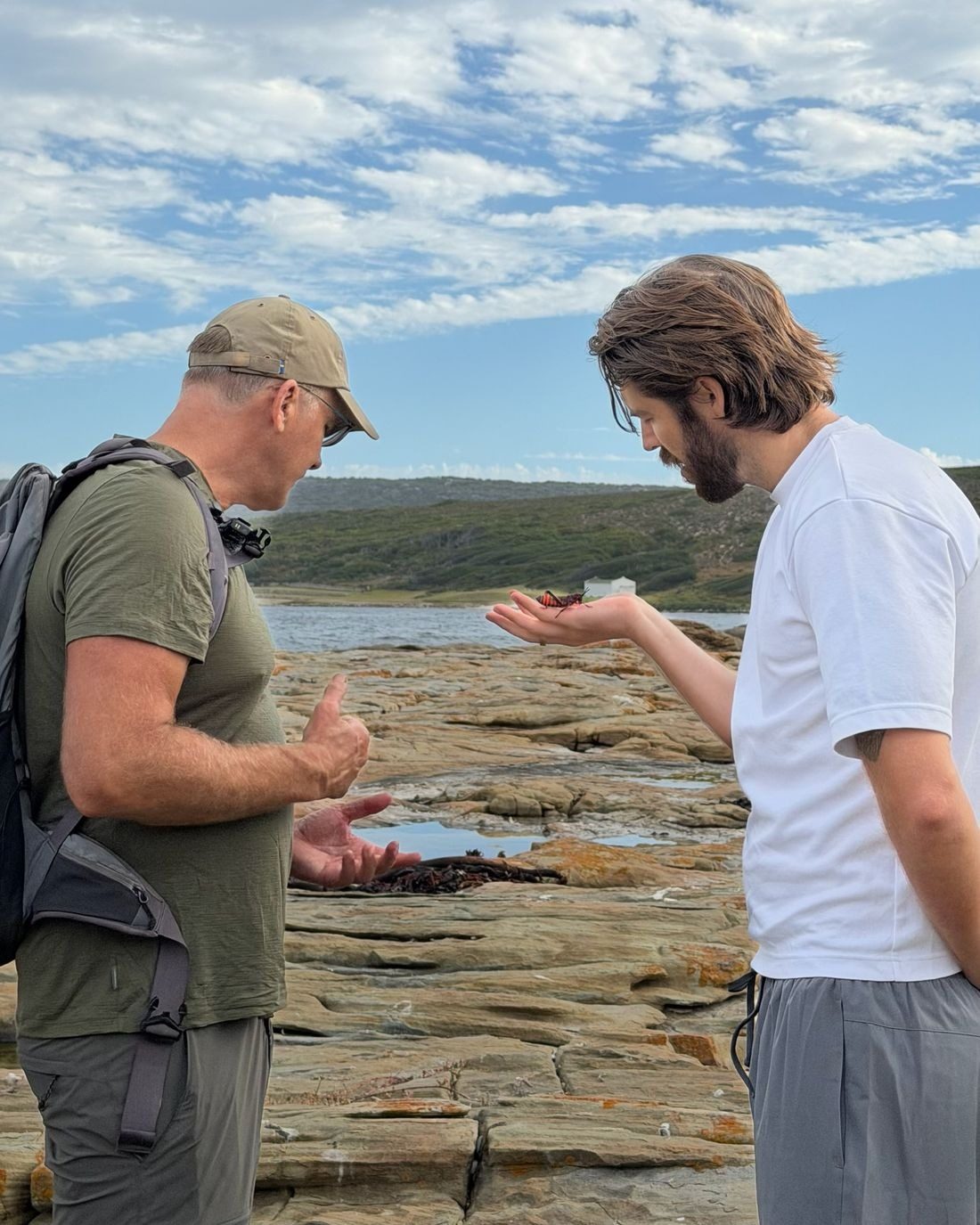
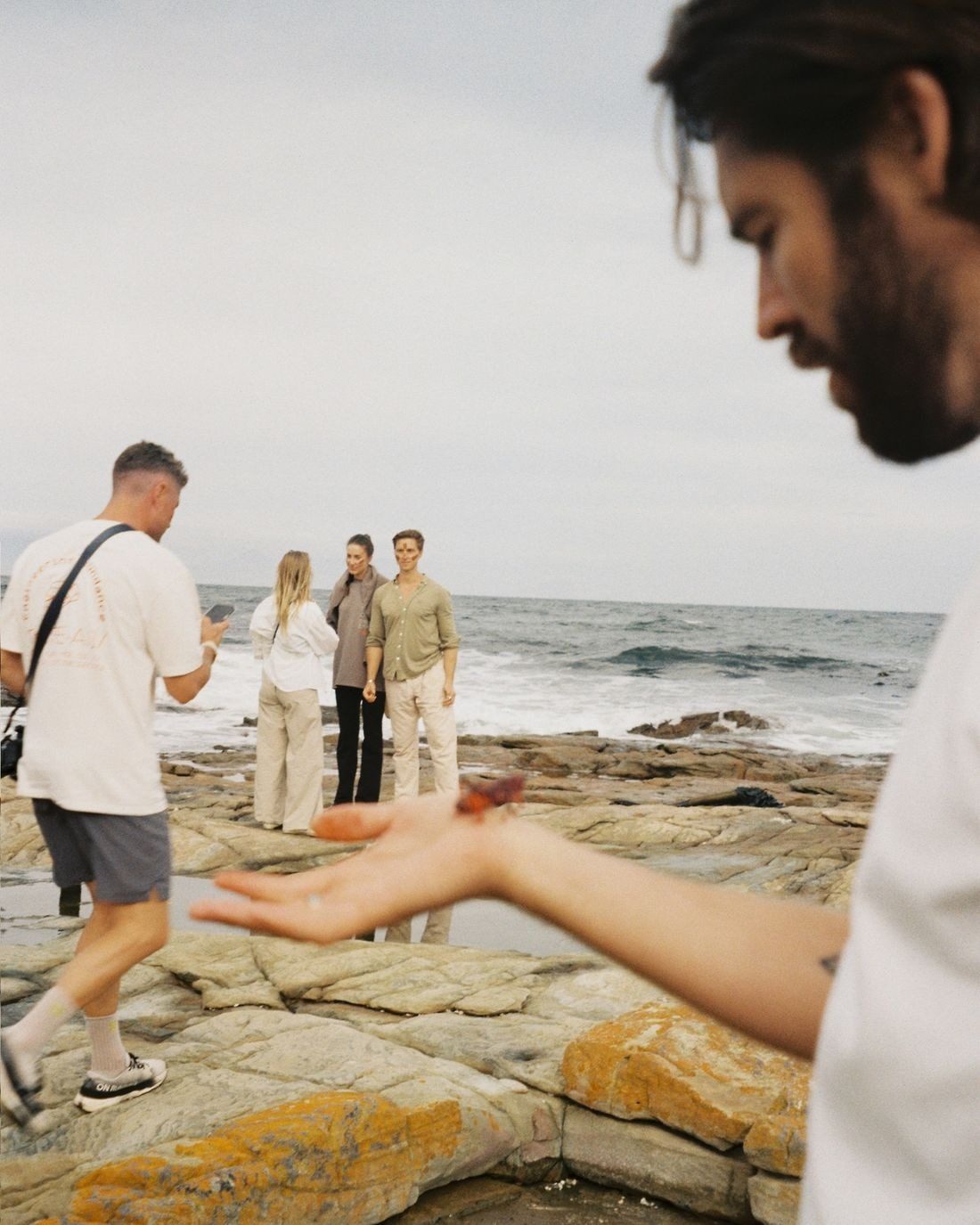
Over time, those journeys moved from the ocean back onto the African land. On another visit, our team travelled with Craig along the Cape coast while learning about the original wild swimmers and the extraordinary relationship early humans developed with this coastline over tens of thousands of years.
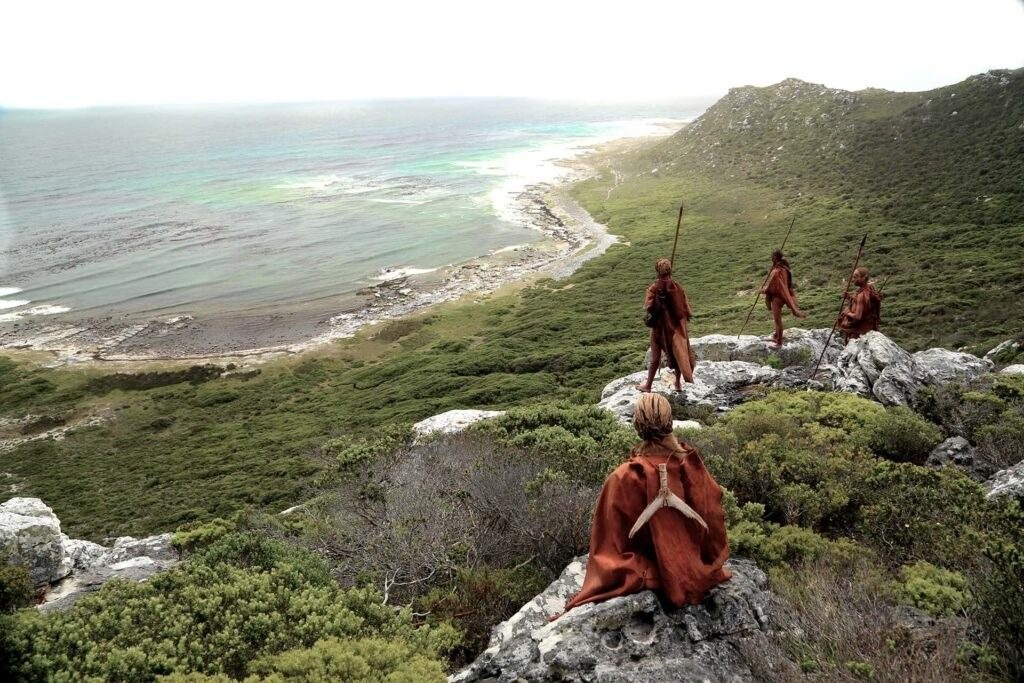
The original wild swimmers, re-imagined on the Cape coast. Film still: Sea Change Project.
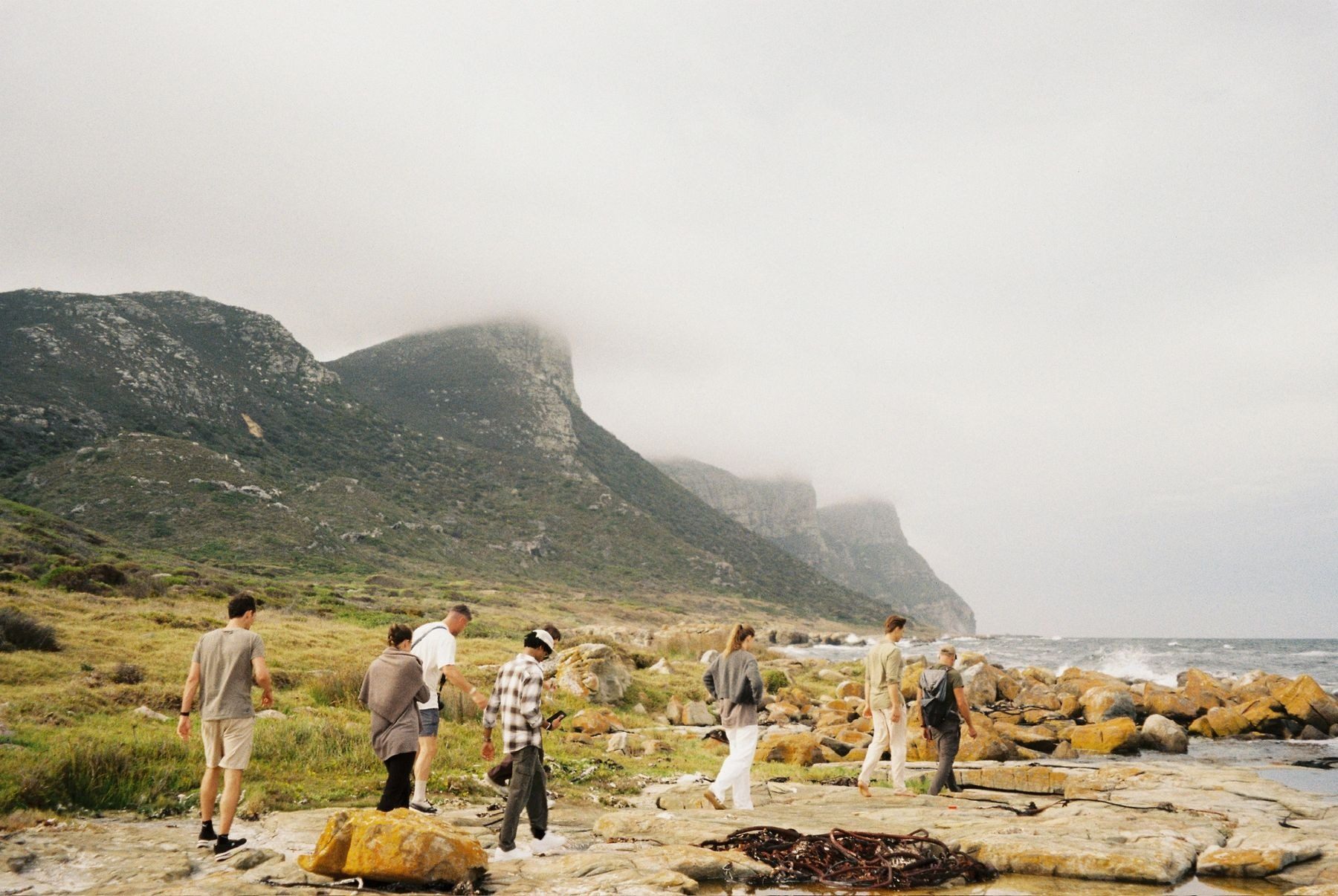
Walking the Cape coast with Craig, February 2026.
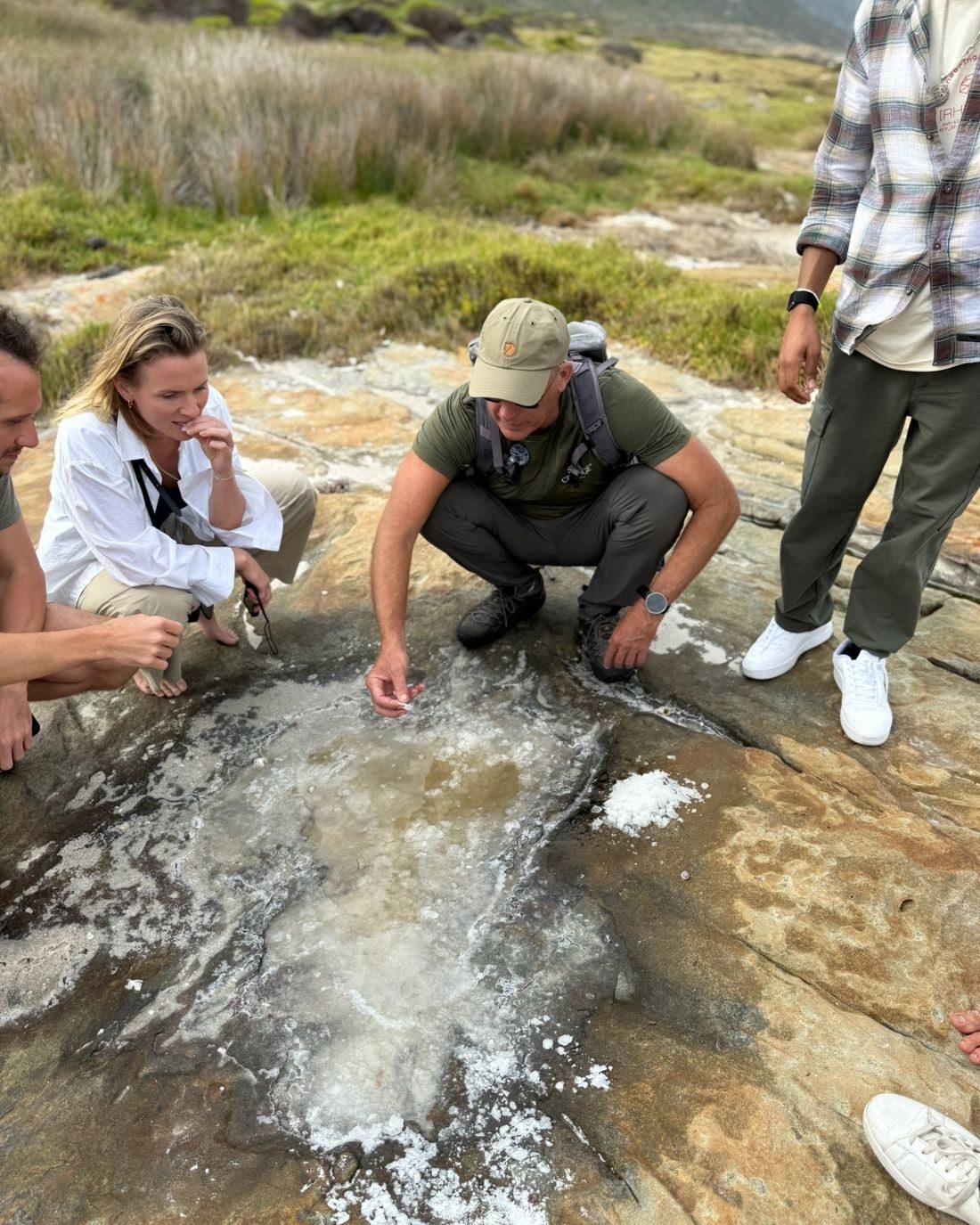
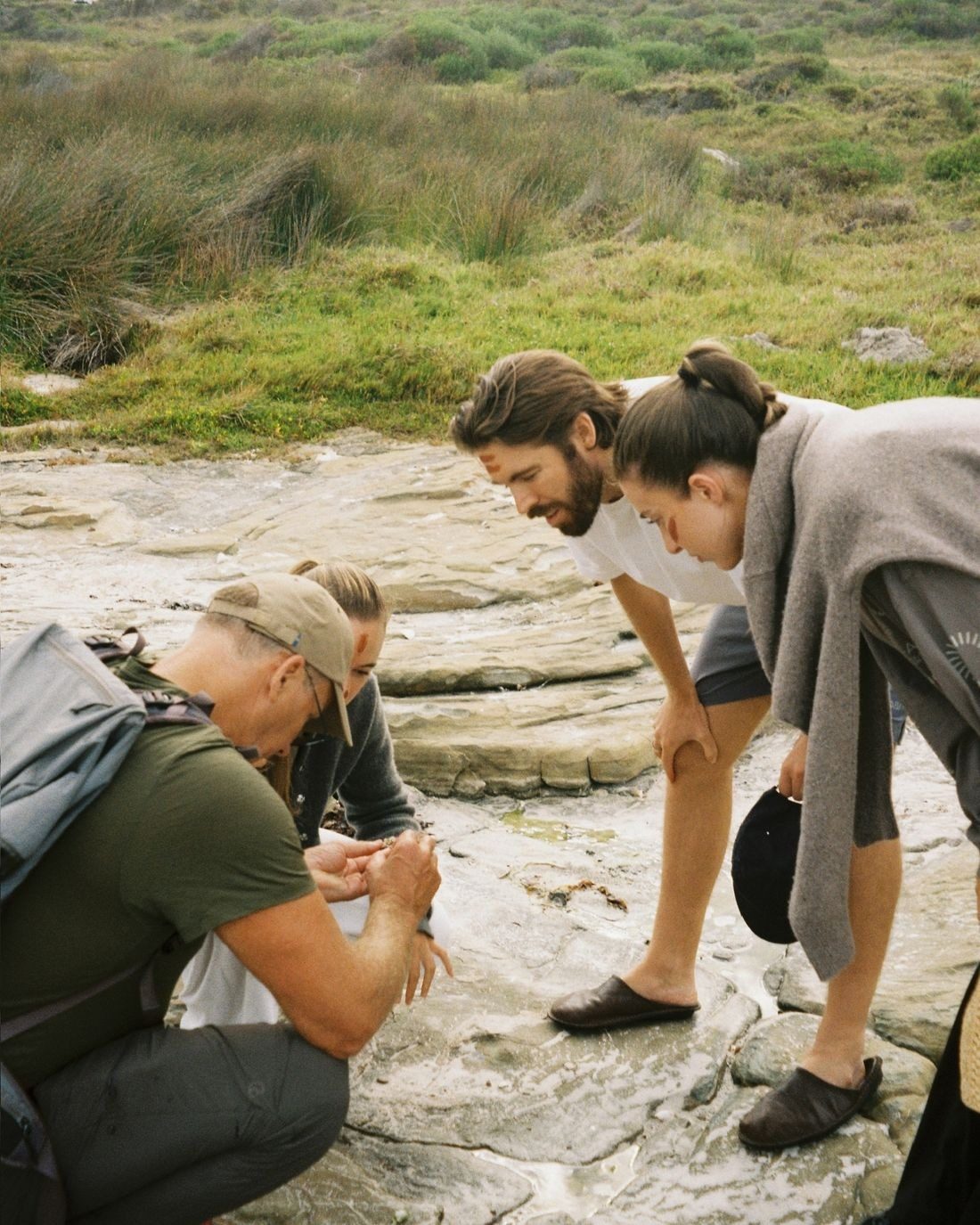
Reading the rock pools with Craig: salt, tracks and whatever the tide leaves behind.
Walking that landscape changes the scale at which you think. The ocean in front of you is immense. The mountains have been there long before any company, technology or generation alive today. Somewhere along that coastline, our ancestors learned to read tides, tracks, animals, plants and one another well enough to survive.
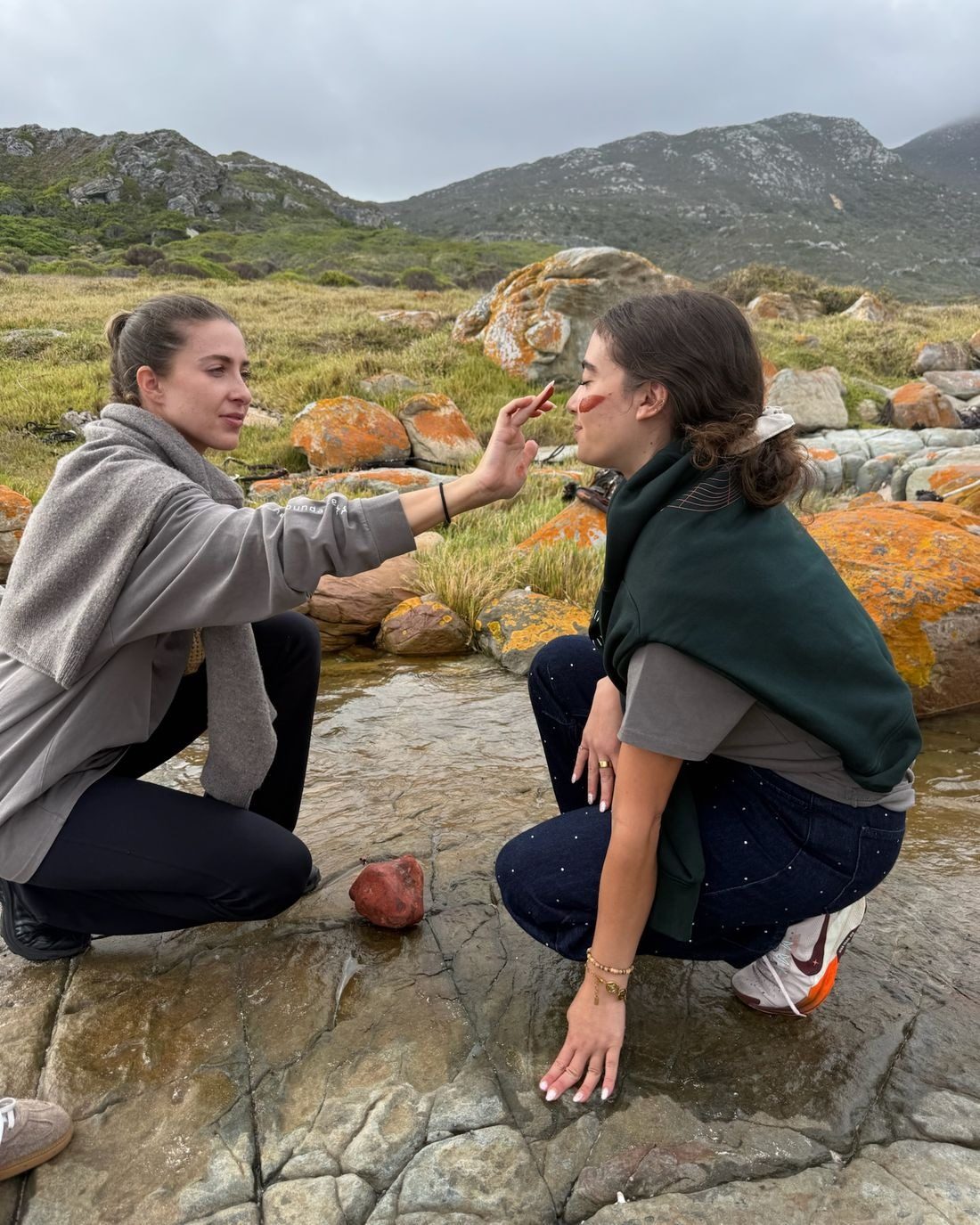
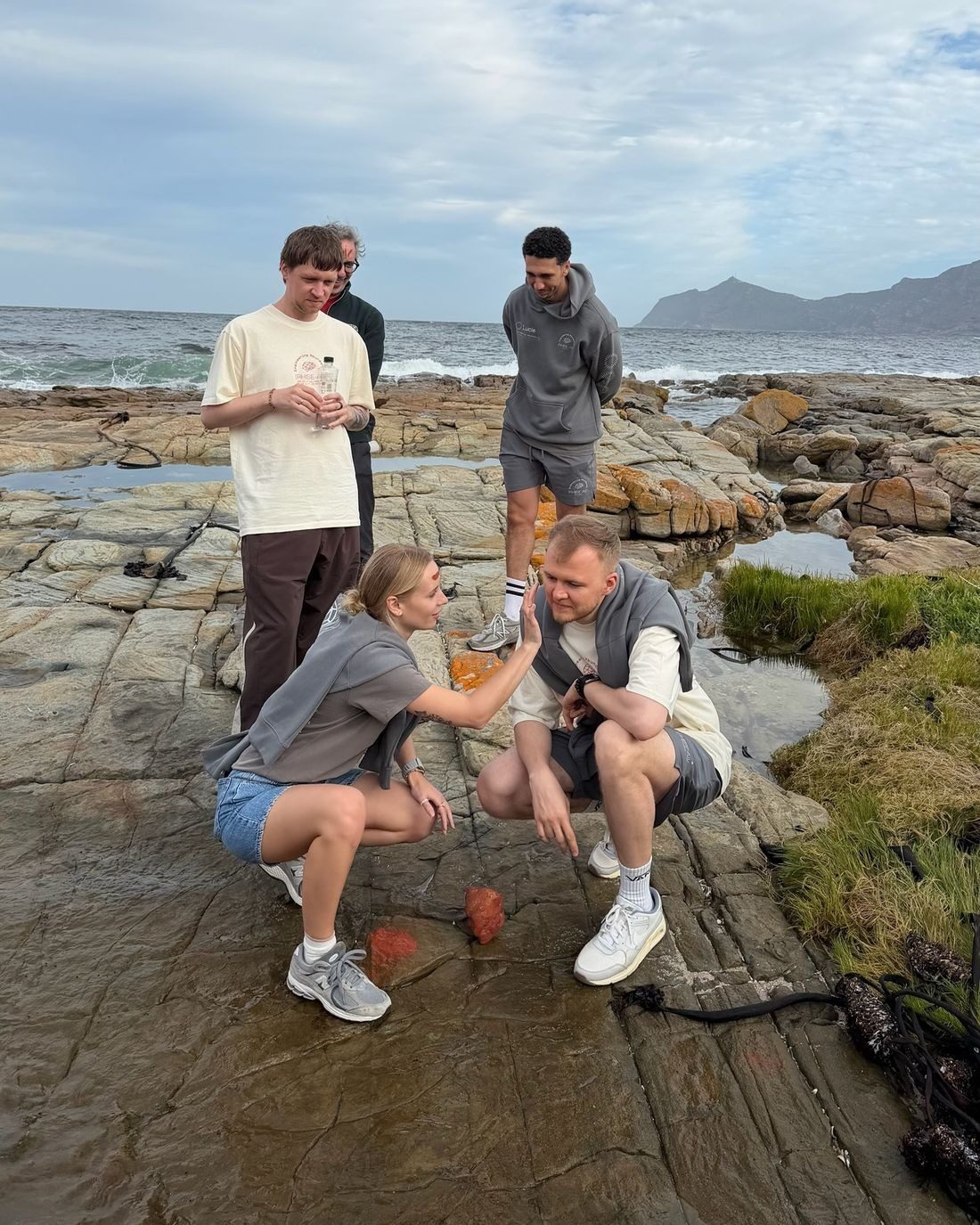
Ochre, worn on this coast for tens of thousands of years.
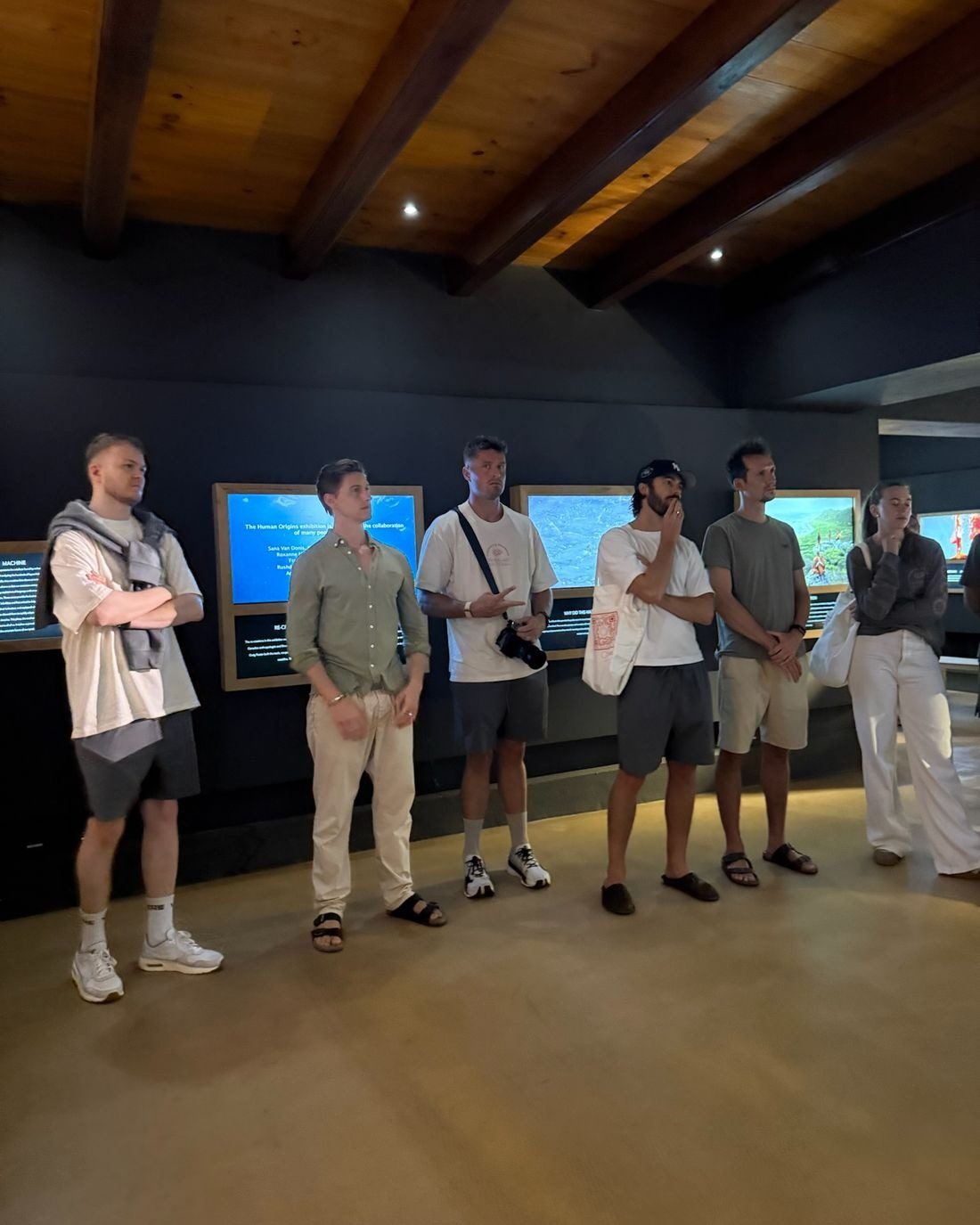
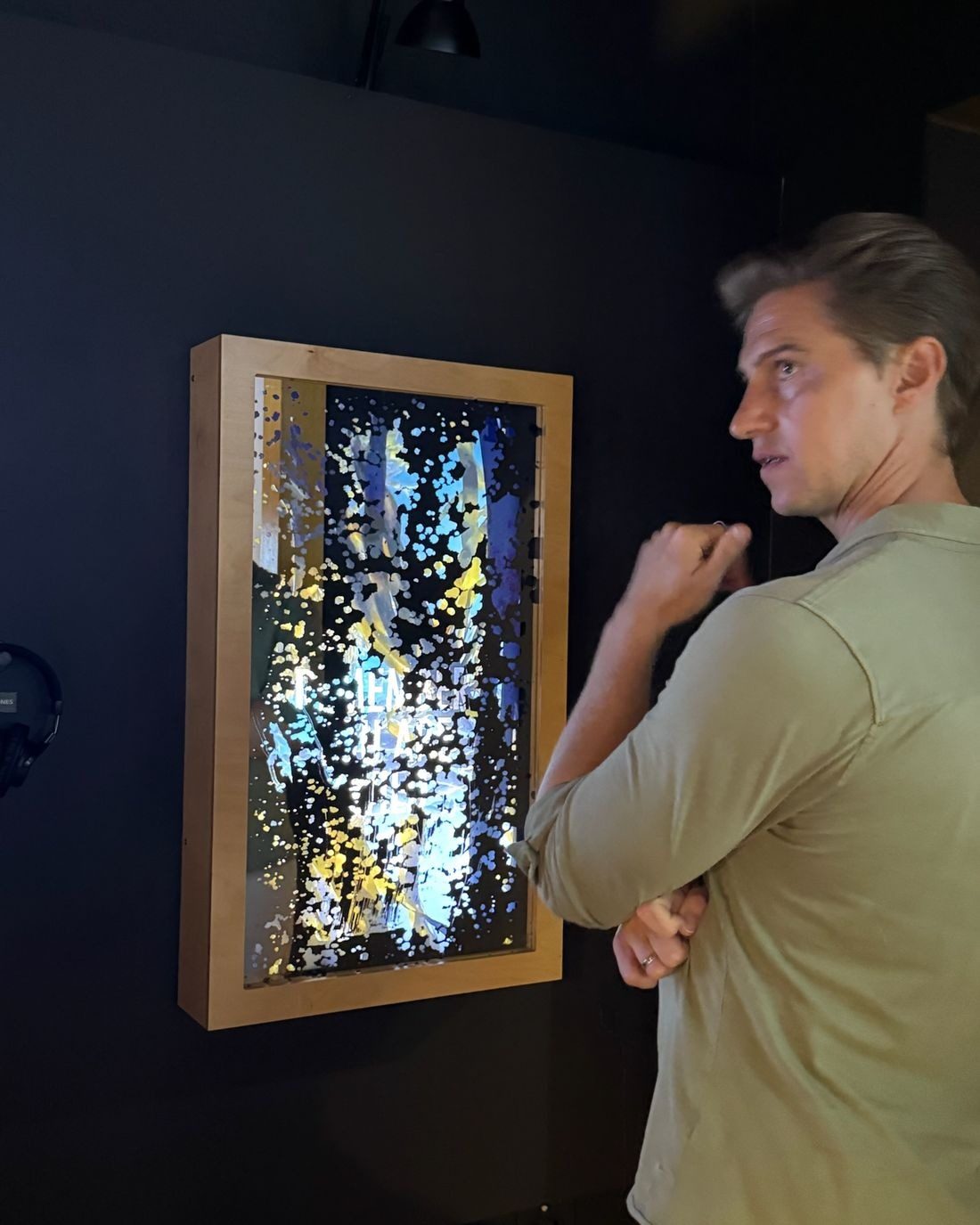
At the Human Origins exhibition.
Intelligence is also attention
Craig’s work reminds us that intelligence is not only our ability to calculate or build. It is also our ability to pay attention. To notice a footprint. To understand another species. To recognise patterns in a landscape. To remember that the human being observing nature is itself nature.
Part of how we think
These experiences have become part of the way we think at RHISE AI. As we build increasingly capable forms of artificial intelligence, spending time with Craig reminds us of another kind of intelligence humanity has carried for thousands of years: curiosity, attention, intuition, connection and an understanding of our place within a much larger living system.
Sea Change Project
Cofounded by Craig, the Sea Change Project explores and protects humanity’s relationship with the natural world, and in particular the Great African Seaforest. seachangeproject.com
Technology may become extraordinarily intelligent. Our responsibility is to make sure humanity does not become less connected in the process.
Participate with us
The RHISE community does more than support organisations financially. We participate. We visit. We learn. We bring members of our community with us, and we build relationships that continue over years.
Join an initiative opens an email to the RHISE initiatives team.
Photographs from our journeys with Craig Foster. Film stills and underwater photographs: Sea Change Project.
← Back to the blog